CLAY
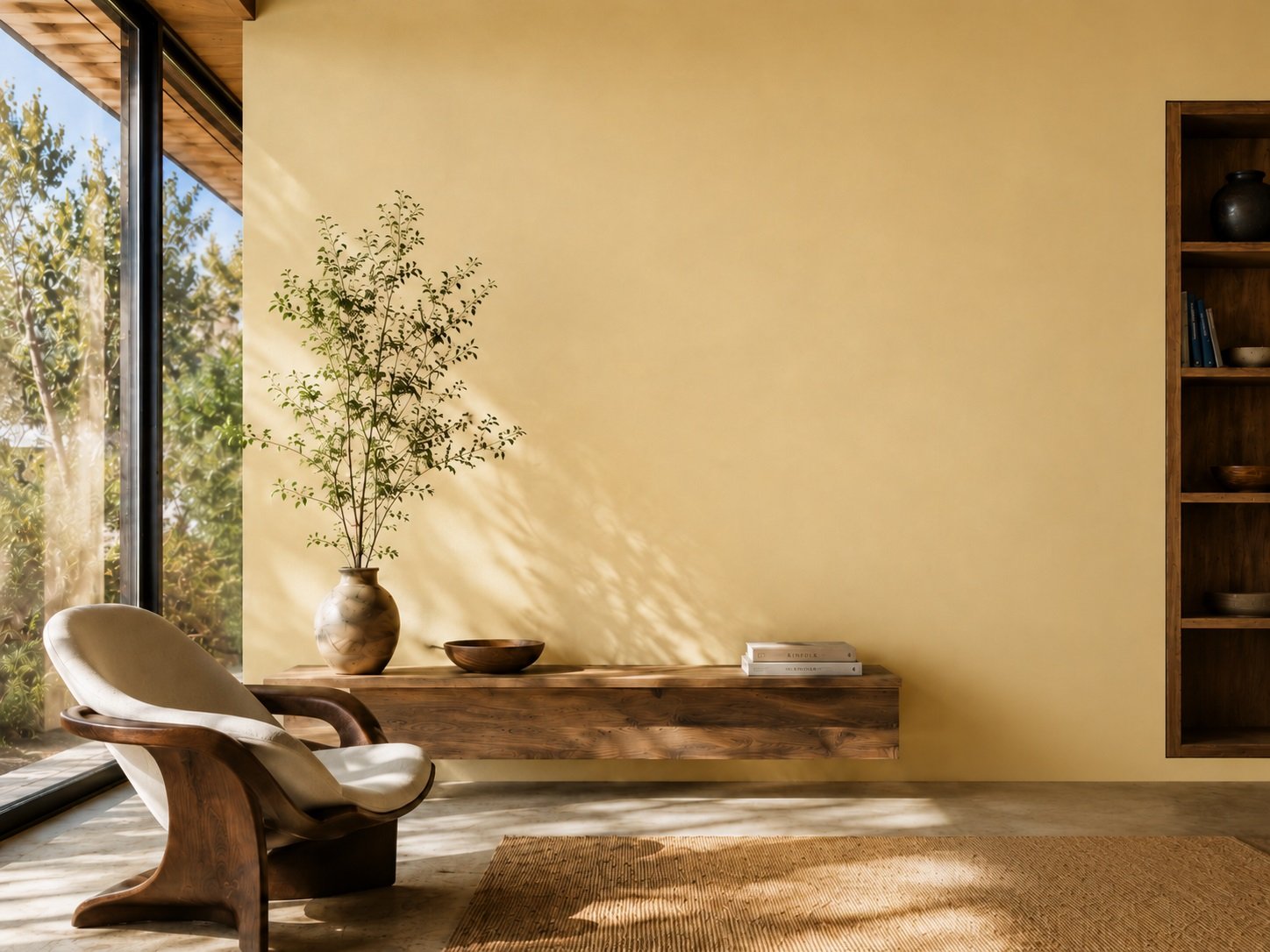
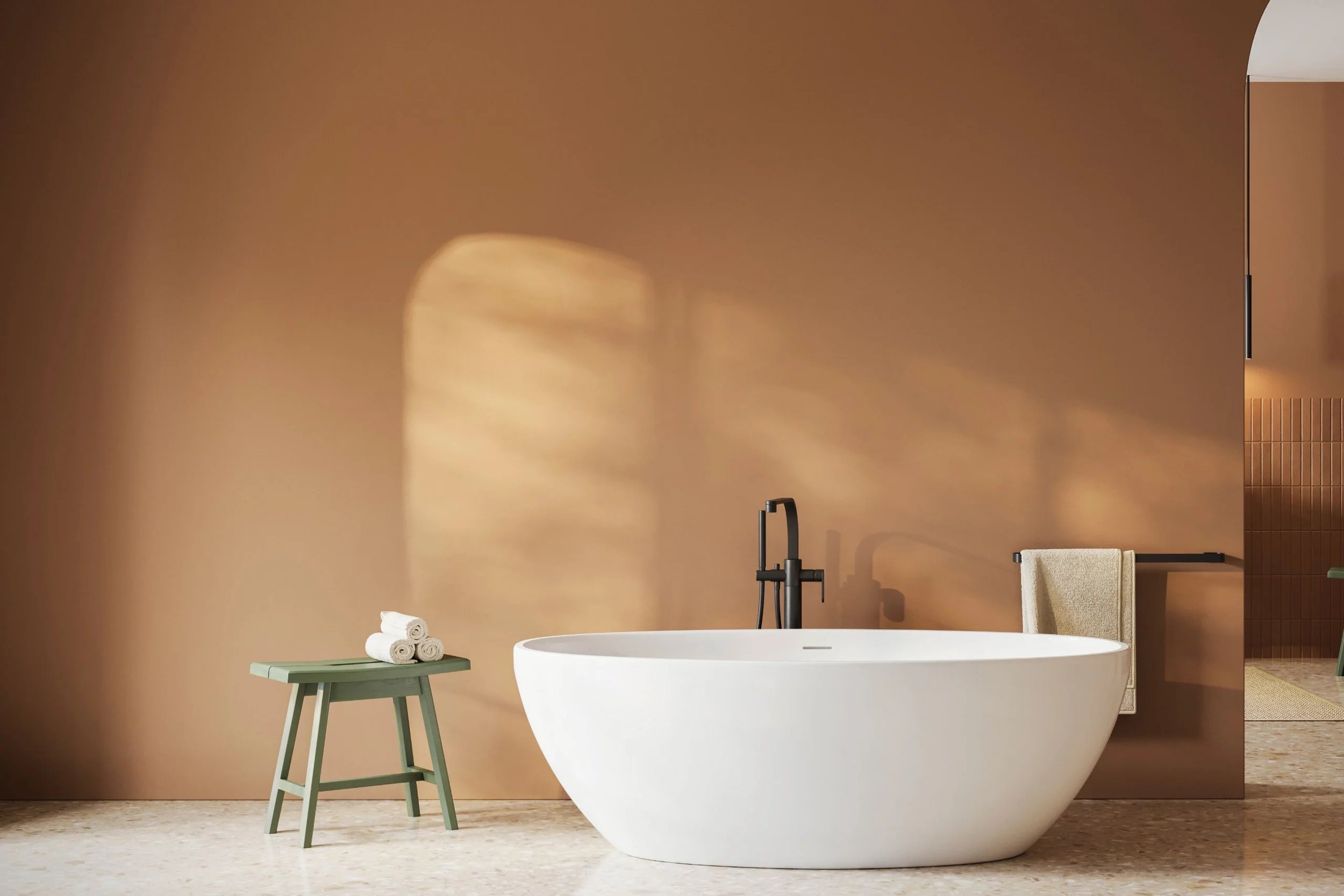
Clay is an infinitely reworkable, natural material. It is cannot withstand direct exposure to rainfall, so it is only recommended for indoor settings - but indoors, it protects humans like nothing else. It is hygroscopic (meaning it can absorb and expel water vapour), manages moisture and is completely fireproof. It creates a healthy indoor climate and feels soft to the touch, absorbs odours and creates stunning visual and chromatic results.
In collaboration with Conluto

Clay Binder
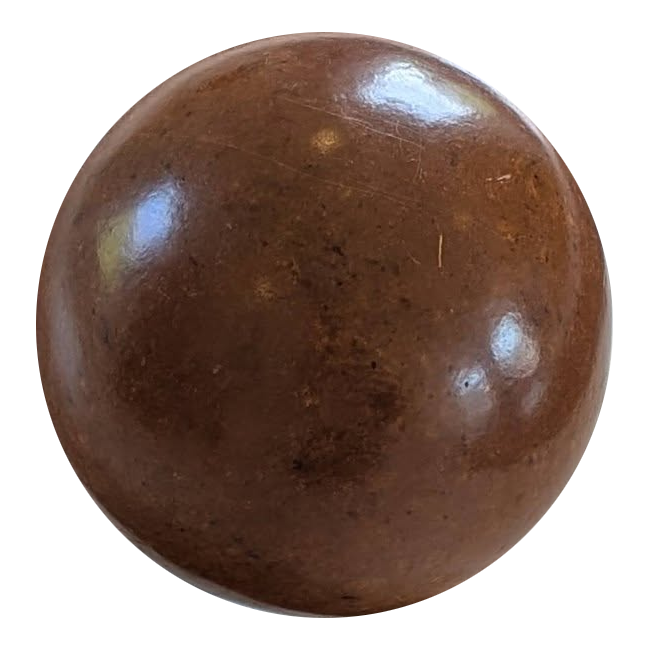
The raw material itself. Ideal for use in protected environments and interiors, this clay can be mixed with local builder’s sand and/or straw to create walls and floors, mortars, plasters and finishes. It can also be mixed with straw, perlite or expanded clay aggregate to create lightweight infill panels for timber frame construction or stone buildings, or with sand to create cob, adobe bricks or rammed earth.
Note: By only buying the binder and using local materials to make custom mixes, one saves on transportation costs by up to 75%.
Clay Plasters
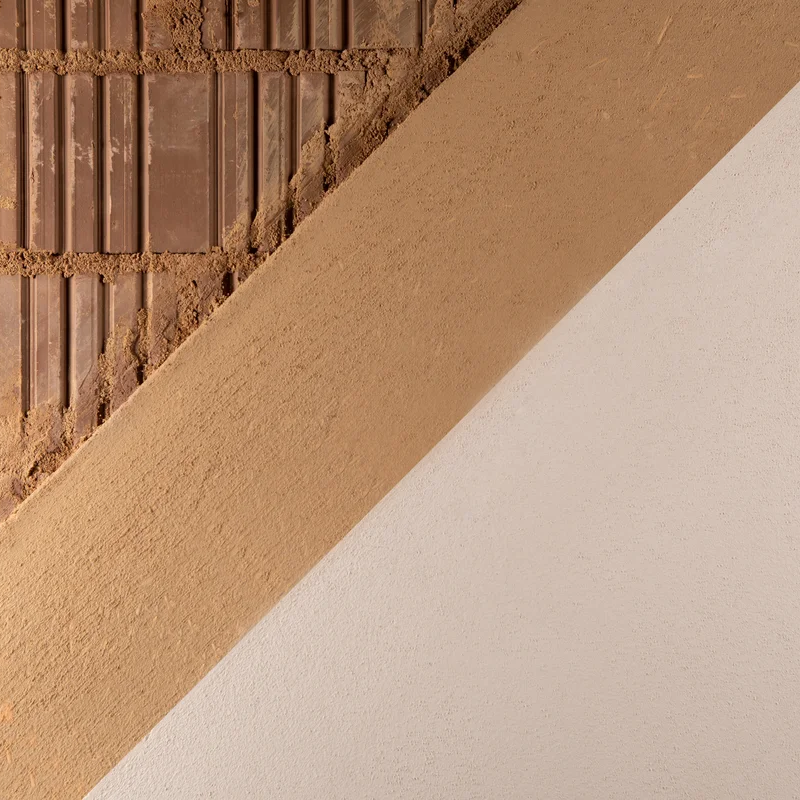
Ready-made mixes with clay and suitably chosen aggregates for creating undercoats, overcoats or smooth finishes. The plasters can be made purely from inorganic compounds (clay and sand) or include organic fibers like straw and hemp. Perfect for noble internal finishes. Due to their hygroscopic nature, even 3cm of clay plaster is enough to moderate humidity throughout the course of the day.

Clay Paints
Paints made purely from carefully selected clays, in order to achieve a uniform and natural colour. No colouring is added to the paint - it is simply the natural color of the clay from the specific site where it was collected. Easy to apply with a roller, this paint is even suitable for applying over conventional plaster or gypsum board.
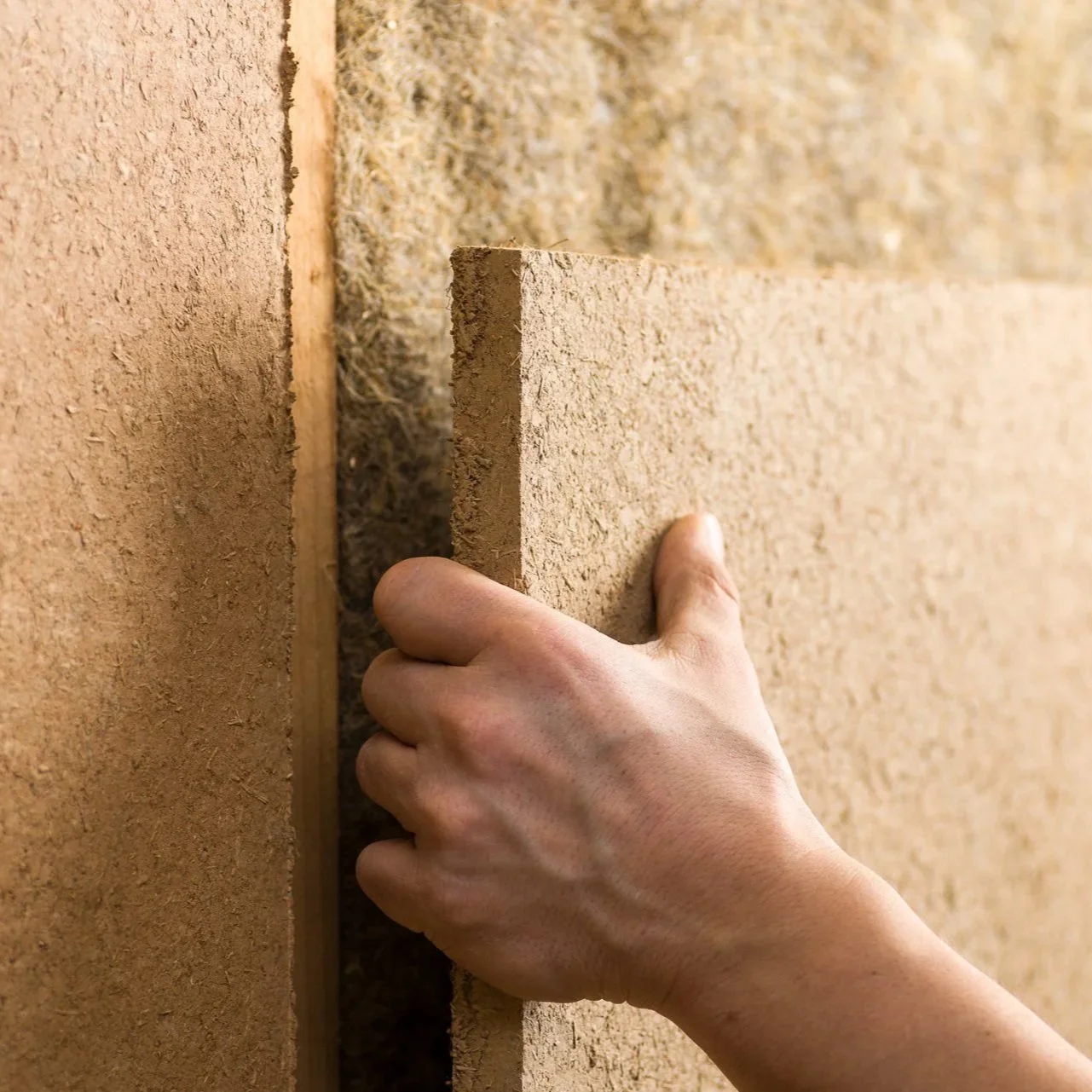
Clay Panels
The natural, breathable alternative to gypsym board for quick, dry construction. The panels are internally reinforced with natural jute mesh. They are secured onto the structural frame using plugs, and plastered with either a mesh or a reed-board to ensure continuous adhesion of the thin clay plaster to the boards. They are heavier than gypsum boards, providing thermal inertia for the summer months while also regulating humidity and temperature variations.
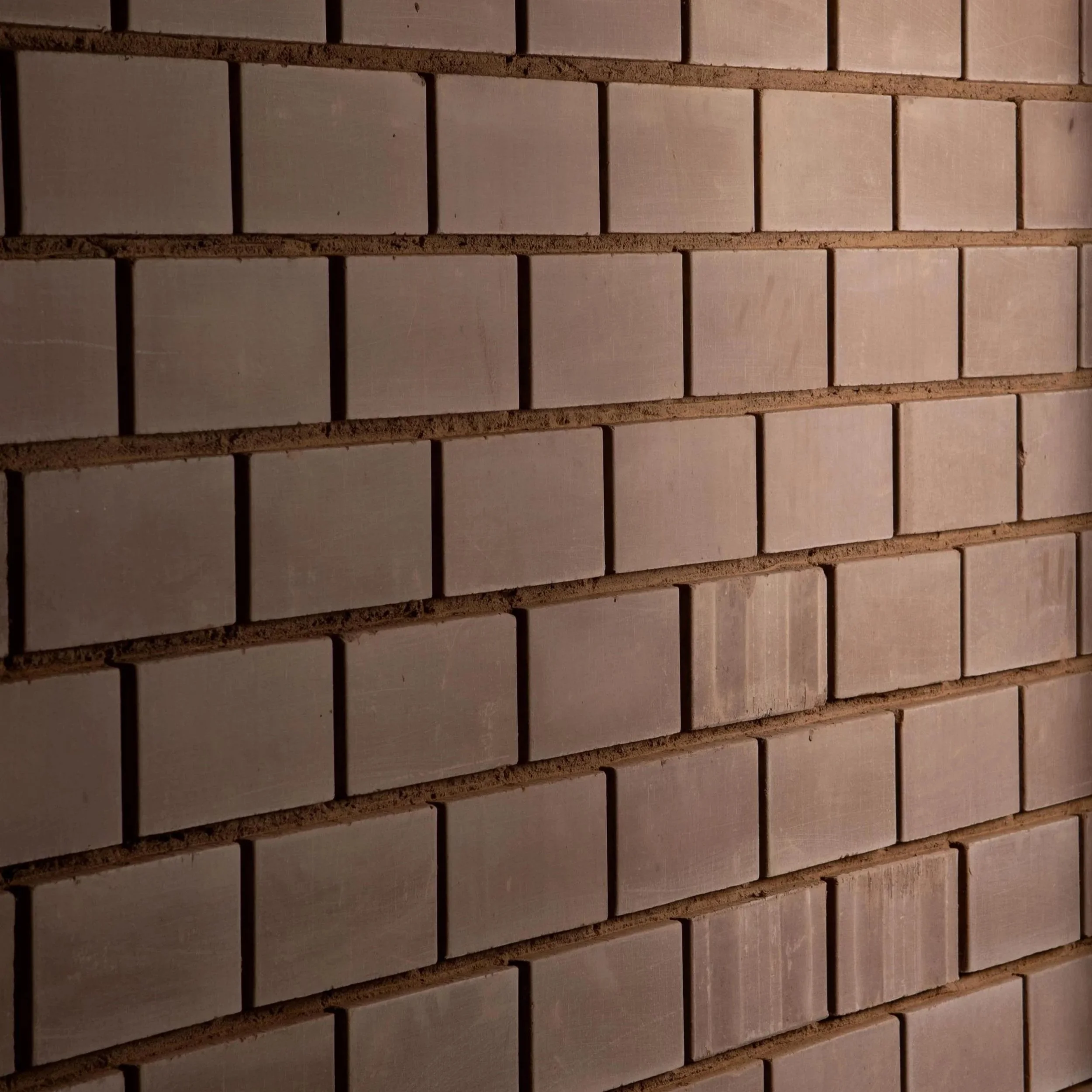
Adobe Bricks
The most widely used earthen material in the world. Certified mud bricks with a density of ρ = 1800-2000 kg/m³ and a compressive strength of σ = 6 MPa. Suitable for load-bearing and non-load-bearing walls. Available as individual bricks and as pre-cast wall elements.
Available dimensions:
240 x 115 x 113 mm
240 x 175 x 113 mm
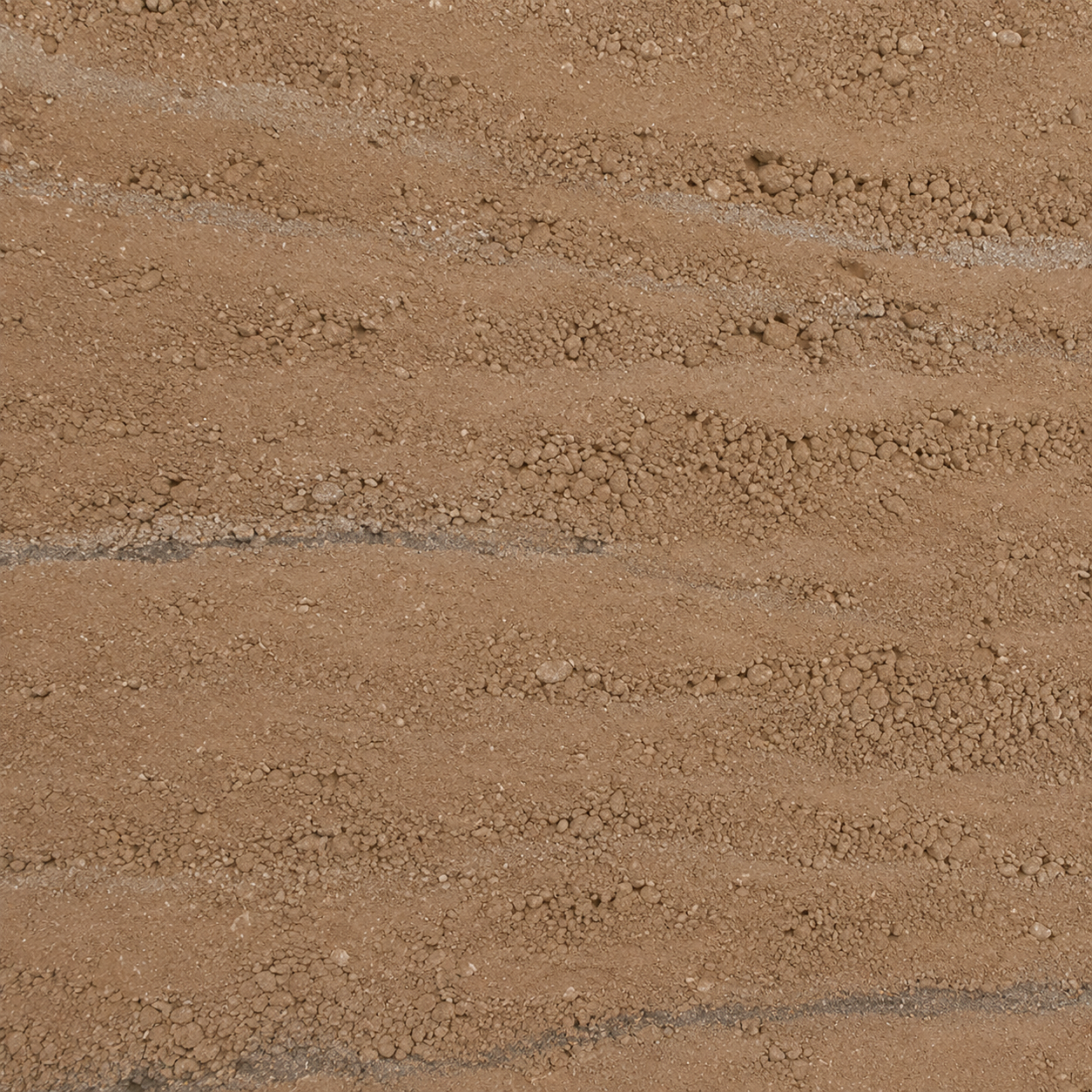
Rammed Earth
Certified rammed earth with a density of ρ = 1700-2000 kg/m³ and a compressive strength of σ = 3 MPa. Suitable for load-bearing and non-load-bearing walls. Available in powder form for on-site mixing and as pre-cast wall elements.